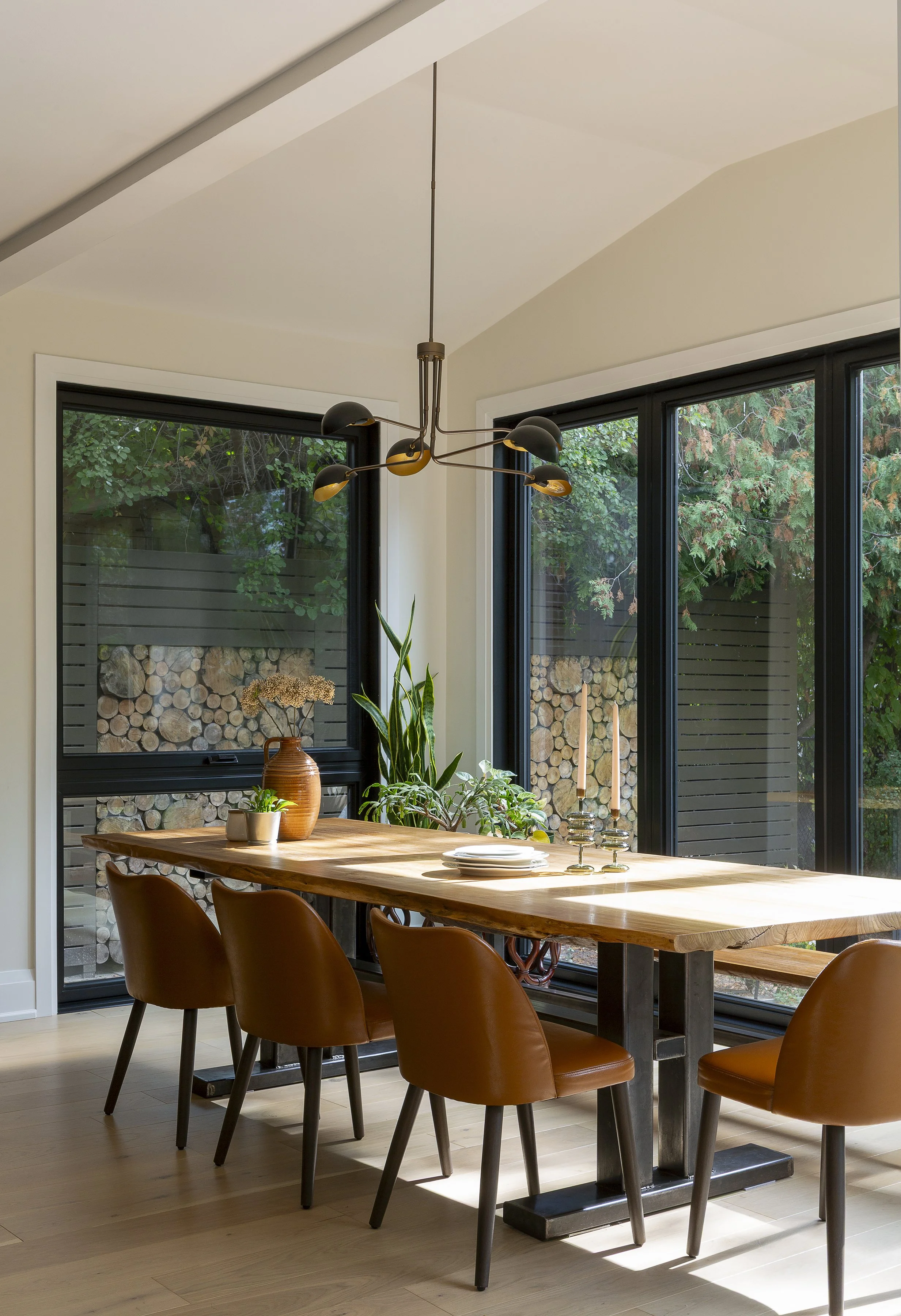
The Quiet Architecture of Calm
Have you ever walked into a home and immediately felt at ease?
You may not have noticed the furniture yet. Or the finishes. You may not even have been able to explain what felt different.
Something simply felt right.
I've always been interested in that instinctive response we have to certain spaces. Some homes feel calm the moment we enter them. Others can be beautifully designed, filled with exceptional materials and carefully chosen furnishings, yet somehow still feel busy or unsettled.
We tend to associate the feeling of a home with what we can see: colour, furniture, materials and objects.
But I believe we begin experiencing a space long before we consciously notice any of those things.
We feel how easily we can move through it. Whether rooms feel connected or fragmented. How natural light travels through the home. Whether our eye has somewhere to rest. Whether the environment feels ordered or asks us to constantly process what is around us.
Much of this happens without us realizing it.
And rarely is calm created by one design decision.
It emerges from many decisions working quietly together.
A clear sightline from one room into another. Intuitive circulation. A place for the things we use every day. Furniture that allows people to move comfortably around it. Natural light reaching the spaces where we spend our time. Materials and details that relate to one another rather than compete for attention.
Individually, these decisions can seem almost insignificant.
Together, they shape how we experience a home.
This is where space planning and wellness-centred design become deeply connected. Creating a calmer home often has less to do with decorating and more to do with reducing the small points of friction we encounter every day.
Before thinking about what a home should look like, we want to understand what life within it actually looks like.
Where do mornings begin?
Where does everyone naturally gather?
Where does clutter accumulate?
Which parts of the home feel effortless, and which create small frustrations every day?
What no longer serves the people living there?
These questions may seem removed from aesthetics, but their answers influence almost every design decision that follows.
Sometimes creating a calmer home means opening a sightline rather than adding square footage. Sometimes it means reconsidering circulation or giving everyday belongings a natural place to land. And sometimes it simply means removing something rather than adding more.
The result isn't necessarily a home that looks minimal.
Calm and minimalism aren't the same thing.
A home can be layered, expressive and deeply personal while still feeling peaceful. What matters is whether the elements within it feel intentional and whether the space supports the natural rhythms of the people who live there.
For me, this is where wellness-centred design becomes less about what we put into a home and more about what the home gives back.
Less friction.
More ease.
Places to connect and places to retreat.
A sense that the home is working with you rather than asking you to work around it.
A calm home isn't defined by a particular aesthetic. It's created through thoughtful planning—intuitive circulation, visual clarity, purposeful storage, natural light and spaces that support everyday life.
Some of the most meaningful responses I've heard from clients after a project is complete have very little to do with individual design features.
They tell us the home feels easier to live in.
That they're using rooms they rarely used before.
That the family spends more time together.
Or simply that the house feels calmer.
Those observations stay with me because they speak to something deeper than aesthetics.
Beauty matters. Materials, craftsmanship, furnishings and thoughtful details bring character and meaning to a home.
But perhaps the most successful homes are the ones where we don't immediately notice why they work.
We simply know how we feel when we're there.
Before we notice beauty, we feel the space.
